

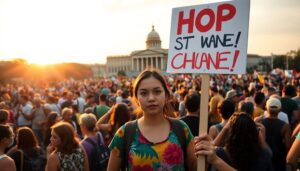


Recent political developments highlight key legislative milestones that reshape public policy, particularly in healthcare and climate change. Shifting party dynamics reveal new coalitions focusing on diverse interests and grassroots mobilization. Voter sentiment is increasingly progressive, influenced by younger constituents. Social media amplifies political discourse but complicates misinformation issues. Furthermore, international relations and economic policies reflect evolving global dynamics. For further insights into emerging movements and future electoral predictions, staying updated is crucial.
Article Highlights
- Recent legislative milestones indicate a shift towards prioritizing healthcare and climate change in public policy discussions.
- Emerging political movements are reshaping party dynamics, emphasizing diverse interests and grassroots mobilization for social justice.
- Public opinion trends reveal younger voters' strong preference for progressive policies, influencing party strategies and electoral outcomes.
- Social media plays a crucial role in political discourse, facilitating rapid information exchange but also increasing the spread of misinformation.
- Global trade dynamics are evolving, with renewed focus on economic interdependencies and bilateral agreements impacting international relations and voter sentiments.
Legislative Milestones and Their Impacts
As legislative sessions progress, significant milestones emerge that reshape the political environment and influence public policy. These milestones often crystallize the legislative priorities of the governing body, reflecting the collective goals and values of its members. For instance, the passage of key bills can signal shifts in focus toward urgent issues, such as healthcare reform or climate change initiatives. The policy implications of these decisions extend beyond immediate effects, potentially altering future legislative agendas and public discourse. Furthermore, stakeholders—including interest groups and constituents—closely monitor these developments, as they can directly impact funding and regulatory frameworks. Ultimately, comprehending these milestones is essential for grasping the dynamics of contemporary governance and anticipating upcoming changes in the political arena.
Shifts in Party Dynamics
Recent shifts in party dynamics have considerably altered the environment of political engagement and strategy. The emergence of new coalitions and the reevaluation of party alignments illustrate a significant trend aimed at party realignment, reshaping traditional loyalties and voter bases. The following table outlines key elements influencing these dynamics:
| Aspect | Traditional Parties | Emerging Coalitions |
|---|---|---|
| Voter Demographics | Homogeneous Groups | Diverse Interests |
| Policy Focus | Established Platforms | Issue-Based Alliances |
| Electoral Strategy | Winner-Takes-All | Collaborative Efforts |
| Communication Style | Top-Down Messaging | Grassroots Engagement |
| Funding Sources | Corporate Donations | Small-Donor Contributions |
These shifts necessitate innovative coalition strategies, encouraging adaptability as parties navigate an evolving political environment.
Voter Sentiment and Public Opinion Trends
Recent political developments have highlighted shifting voter preferences that reflect broader societal changes. The influence of social media on public opinion has become increasingly evident, shaping how information is disseminated and consumed. Furthermore, key demographic insights reveal important trends that may reshape electoral outcomes in the near future.
Shifting Political Preferences
As many political analysts scrutinize the evolving terrain of voter sentiment, it becomes increasingly evident that shifts in public opinion are reshaping electoral dynamics. Recent trends indicate significant changes in voter demographics, with younger constituents displaying a marked preference for progressive policies. This shift highlights an ideological transformation, as issues such as climate change and social justice gain prominence among voters. Furthermore, the increasing diversity of the electorate is influencing party strategies, compelling traditional political entities to adapt to new expectations. This evolution in voter sentiment reflects a broader societal change, emphasizing the importance of addressing the concerns of an increasingly informed and engaged populace. Comprehending these trends is crucial for anticipating future electoral outcomes and party positioning.
Impact of Social Media
How has social media transformed the environment of voter sentiment and public opinion? Social media influence has become a pivotal factor in shaping political discourse and voter engagement. Platforms such as Twitter and Facebook allow for rapid dissemination of information, enabling users to express opinions and mobilize support for various causes. This digital activism has nurtured a more engaged electorate, allowing grassroots movements to gain traction and challenge traditional political narratives. As a result, public opinion trends are increasingly influenced by online conversations, often reflecting the sentiments of younger voters who are more active on these platforms. Therefore, political campaigns must adapt strategies to navigate this evolving environment, recognizing the strength of social media to sway voter sentiment and drive participation.
Key Demographic Insights
Demographic insights reveal significant shifts in voter sentiment and public opinion trends that are reshaping the political terrain. A notable increase in youth engagement has emerged, with younger voters increasingly prioritizing issues such as climate change, social justice, and economic equality. This demographic is not merely more connected through technology but furthermore more active in advocating for a voice in politics. In addition, the push for minority representation has gained traction, as diverse groups demand policies that reflect their needs and values. The intersection of these trends indicates a growing desire for inclusivity and responsiveness in political discourse. As these shifts continue, they are likely to influence electoral outcomes and party strategies in forthcoming elections.
The Role of Social Media in Political Discourse
Although social media platforms have transformed communication, their impact on political discourse has been particularly pronounced. These platforms have enabled rapid information exchange, allowing individuals to engage directly with political content. Nevertheless, the influencer impact is significant, as public figures can shape opinions and drive narratives, often overshadowing traditional media sources. This shift has likewise facilitated the misinformation spread, where false information can circulate quickly, undermining informed political discussions. As users increasingly rely on social media for news, discerning credible sources becomes challenging. As a result, the dynamic nature of social media continues to reshape political engagement, requiring vigilance from both users and platforms to encourage a more informed electorate while mitigating the risks associated with misinformation.
Key International Relations Developments
Recent international relations have been marked by escalating diplomatic tensions among major authorities, reflecting a shift in global dynamics. Trade agreements are being reexamined, impacting economic interdependencies and alliances. Furthermore, rising global security concerns are prompting nations to reassess their defense strategies and collaborations.
Diplomatic Tensions Escalate
As nations grapple with shifting authority dynamics, diplomatic tensions continue to escalate across various regions, highlighting the fragility of international relations. Recent diplomatic conflicts have emerged, particularly in areas where territorial disputes and historical grievances persist. These tensions complicate international negotiations, as countries often find themselves at an impasse, unwilling to compromise on key issues. The repercussions of these strained relations can be far-reaching, affecting trade, security, and global cooperation. Observers note that the lack of effective dialogue and communication channels exacerbates misunderstandings, further entrenching positions. As the international community watches closely, the need for constructive engagement remains critical to de-escalating tensions and nurturing a more stable geopolitical environment in the future.
Trade Agreements Shift
With the global economy in flux, shifts in trade agreements have emerged as a pivotal factor in international relations. Recent developments in trade negotiations highlight the changing scenery of economic partnerships among nations.
- Increased Bilateral Agreements: Countries are increasingly pursuing bilateral trade deals to improve specific economic ties.
- Focus on Sustainability: New agreements emphasize sustainable practices and environmental standards.
- Regional Trade Blocs: Strengthened regional coalitions are reshaping trade dynamics, encouraging cooperation among neighboring countries.
- Technological Integration: Trade agreements now prioritize digital trade, reflecting the growing importance of technology in global commerce.
These shifts underscore the evolving nature of global trade, as nations adapt to new economic realities and emerging challenges in international markets.
Global Security Concerns Rise
Amid escalating geopolitical tensions, global security concerns have taken center stage in international relations. Nations are increasingly forming security alliances to counteract threats, focusing on military preparedness in the face of rising global terrorism and cyber threats. This shift has led to heightened defense spending as countries prioritize their national security strategies. International cooperation remains vital, particularly in peace negotiations and arms control efforts to mitigate conflicts. Nonetheless, sovereignty issues complicate collaboration, as states grapple with balancing national interests against collective security needs. The ongoing challenges underscore the necessity for a coordinated response to emerging threats, reinforcing the importance of diplomacy and strategic partnerships in maneuvering a complex global environment.
Emerging Political Movements and Their Influence
In spite of numerous political movements that have emerged in recent years, their influence on the broader political environment cannot be understated. These movements, often driven by grassroots mobilization, have catalyzed significant ideological shifts across various demographics. Their impact is evident in several key areas:
- Increased Voter Engagement: Grassroots efforts have motivated previously apathetic voters to participate in elections.
- Policy Reforms: Movements have pressured governments to address social justice and environmental concerns.
- Shifting Party Dynamics: Traditional political parties are adapting to incorporate new ideas and platforms introduced by these movements.
- Global Connectivity: The rise of social media has allowed movements to transcend borders, encouraging international solidarity and influence.
These factors illustrate the profound and evolving role of emerging political movements in shaping contemporary political environments.
Economic Policies and Their Political Ramifications
Economic policies play a vital role in shaping the political environment, influencing voter sentiments and party strategies. Politicians often emphasize fiscal responsibility, appealing to constituents concerned about national debt and government spending. Policies promoting market stability can improve public confidence, significant for electoral success. When economic growth is perceived as strong and sustainable, it typically results in increased support for incumbents. Conversely, economic downturns can lead to voter discontent, prompting demands for policy changes. Political parties must navigate these dynamics, aligning their platforms with the public's economic concerns. The interplay between economic policies and political outcomes underscores the importance of sound governance in nurturing both political stability and economic prosperity.
Future Outlook: Predictions for Upcoming Elections
As the political environment evolves, the upcoming elections are likely to be greatly influenced by the current economic climate. Candidates will need to adapt their electoral strategies to resonate with voters facing economic challenges. Predictions for the elections include:
- Increased Focus on Economic Issues: Candidates who effectively address economic concerns may boost their appeal.
- Diverse Candidate Profiles: A broader range of candidates may emerge, catering to various demographic groups.
- Digital Campaigning: Improved use of digital platforms will play an essential role in reaching voters.
- Populist Movements: The rise of populist sentiments may shift traditional party alignments and enhance candidate appeal.
These factors will greatly shape voter preferences and strategies in the lead-up to the elections.
Frequently Asked Questions
How Do Recent Political Developments Affect Local Government Policies?
Recent political developments greatly shape local government policies, prompting profound changes in priorities. Budget battles become more pronounced, as local budgets must adapt to shifting legislative environments. Policy reforms frequently follow, reflecting the overarching trends and community needs. This dynamic interplay can lead to improved services or, conversely, budgetary constraints. In the end, local governments navigate these developments, aiming to balance community expectations with fiscal responsibility, ensuring that policies remain relevant and effective.
What Role Do Independent Voters Play in Current Elections?
Independent voters greatly impact current elections by shaping voter turnout and affecting the viability of independent candidates. Their unique perspectives often challenge the traditional party lines, leading to a more dynamic electoral environment. As their numbers grow, independent voters can sway outcomes in tightly contested races, prompting candidates to address a broader range of issues. This shift highlights the importance of engaging these voters to guarantee their voices contribute to the overall democratic process.
How Are Grassroots Movements Influencing Mainstream Political Parties?
Grassroots movements are reshaping political terrains, driving change and nurturing engagement. By mobilizing citizens through grassroots activism, these movements challenge traditional political alignment and demand accountability. They inspire individuals to voice their concerns, leading to increased voter participation and redefining party platforms. As grassroots activism gains momentum, mainstream political parties often adopt these emerging issues, reflecting a shift in the direction of more inclusive policies. As a result, this evolution highlights the dynamic interplay between grassroots movements and established political structures.
What Impact Do Political Debates Have on Voter Decisions?
Political debates markedly influence voter decisions through various debate strategies employed by candidates. These strategies can sway public perception and highlight key issues, shaping voter psychology. Candidates who effectively articulate their positions and counter opponents' arguments often resonate with undecided voters. Furthermore, emotional appeals and relatable narratives can improve connection, making debates an essential platform for influencing electoral outcomes. As a result, the impact of these debates extends beyond mere performance, affecting voter sentiments and choices.
How Do International Events Shape Domestic Political Agendas?
In a garden where diverse flowers bloom, each petal represents international events that sway the breeze of domestic political agendas. Global influence seeps into the soil, nurturing the roots of local policies. As storms of change sweep across distant lands, they prompt a domestic response, compelling leaders to adapt and realign priorities. Consequently, the interplay of international dynamics and national interests cultivates a continuously changing political environment, shaping the future of governance and public sentiment.